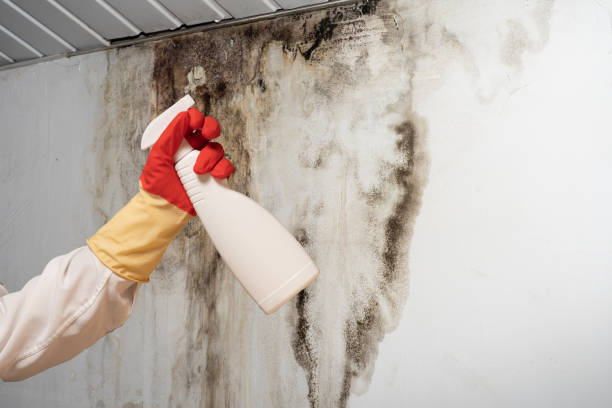
When dealing with mold issues in homes or businesses, it is essential to understand the differences between mold abatement and mold remediation. These terms are often used interchangeably, but they represent distinct processes that address mold problems from different angles. Knowing which approach is appropriate for your situation can help you take informed action and ensure a safe environment.
Understanding Mold Remediation Deltona FL: What You Need to Know
Mold abatement refers to the process of reducing, controlling, or removing mold growth in a specific area. It focuses on addressing the immediate presence of mold to prevent its spread. This process typically involves:
– Identifying areas where mold is visibly growing or suspected.
– Cleaning surfaces to remove visible mold growth.
– Using specialized equipment, such as air scrubbers or HEPA vacuums, to reduce airborne mold spores.
Key characteristics of mold abatement:
– Targets existing contamination and visible mold colonies.
– Helps minimize exposure risks during the removal process.
– Does not always address underlying causes of moisture problems.
Mold abatement serves as a short-term solution designed to manage the present issue quickly but does not necessarily eliminate conditions that may lead to future growth.
Understanding Black Mold Remediation in Deltona FL
Mold remediation, on the other hand, takes a more comprehensive approach by addressing both visible and hidden mold infestations as well as resolving conditions that contribute to their development. Remediation includes inspection, removal, containment, and prevention strategies aimed at eliminating the root cause of the problem.
Essential steps in mold remediation include:
1. Inspection: Locating both visible and concealed sources of contamination through professional inspection tools such as infrared cameras or moisture meters. 2. Containment: Isolating affected areas with barriers like plastic sheeting or negative air chambers to prevent cross-contamination. 3. Removal: Eliminating all contaminated materials (e.g., drywall, insulation) that cannot be adequately cleaned. 4. Cleaning: Treating non-porous surfaces with antimicrobial solutions and using HEPA-filtered equipment for thorough cleaning. 5. Drying: Ensuring all affected spaces are properly dried using industrial dehumidifiers or air movers. 6. Restoration: Replacing damaged building materials while ensuring effective long-term moisture control solutions are implemented.
Key characteristics of remediation include: – Focuses on long-term solutions rather than temporary fixes. – Involves intensive cleaning methods alongside preventive measures. – Addresses underlying issues like poor ventilation or water leaks.
Comprehensive Mold Inspection Deltona FL Comparison Table
| Aspect | Mold Abatement | Mold Remediation |
| Scope | Immediate reduction/removal | Comprehensive resolution |
| Focus | Visible contamination | Long-term prevention & root cause |
| Process Complexity | Simpler techniques | Multi-step process |
| Sustainability | May allow regrowth if sources persist | Minimizes chances of recurrence |
The Importance of Mold Testing Deltona FL and Why Understanding the Difference Matters
Selecting between abatement and remediation depends on factors such as severity, type of building use (residential vs commercial), and whether conditions promoting fungal growth have been addressed fully. For minor outbreaks caused by temporary humidity changes (e.g., post-flooding cleanup), abatement may suffice when handled promptly following established safety protocols like proper PPE usage and disposal practices.
However prolonged exposure cases necessitate comprehensive remediation ensuring occupants’ health remains uncompromised long term preventing structural compromise risks/errors via overlooking hidden traces elsewhere systemically intact critical affecting vulnerable populations nearby-sensitive immune systems young children elderly alike .
Understanding these distinctions allows property owners/managers alike make budget-conscious informed timely decisions protecting investments ensuring harmony return-airflow ecosystem indoors healthy living/business thriving safeguarding reputation clientele peace mind
Essential Steps to Hire the Best Mold Removal Company Deltona FL
Mold abatement is the process of reducing or eliminating mold in a building to ensure it does not pose health risks or further damage to the property. This process is essential for maintaining a safe and healthy environment, especially in homes or workplaces where mold can grow rapidly under the right conditions. Below, we outline the key processes involved in effective mold abatement and highlight the steps necessary to achieve long-term results.
Understanding Mold Abatement vs. Remediation
Before diving into the steps, it’s important to distinguish mold abatement from remediation. While remediation focuses on removing and treating existing mold growth, abatement emphasizes addressing underlying causes and implementing measures to prevent future infestations. Both processes often work hand-in-hand for comprehensive results.
Key Processes in Mold Abatement
- Conduct a thorough inspection of the property to identify areas affected by mold.
- Use tools such as moisture meters, thermal imaging cameras, or hygrometers to detect hidden moisture sources.
- Assess potential health risks based on the type of mold present (e.g., allergenic vs. toxic molds).
- Identifying Moisture Sources
Mold thrives in areas with high humidity or water damage. Common sources include:- Leaking pipes or roofs
- Condensation from HVAC systems
- Poor ventilation in bathrooms or basements
Locating and addressing these sources is critical for successful abatement.
- Containment of Affected Areas
To prevent spores from spreading during removal:- Isolate contaminated areas using plastic sheeting and negative air pressure systems.
- Turn off HVAC systems in the affected spaces to limit airborne movement of spores.
Essential Steps for Effective Mold Abatement
| Step | Description | Tools/Materials Required |
| 1 | Moisture Control: Fix leaks or improve drainage around the property before any removal efforts begin. | Sealants, plumbing repair tools |
| 2 | Mold Removal: Physically remove porous materials like drywall when heavily contaminated; non-porous surfaces can be cleaned using appropriate solutions like hydrogen peroxide or bleach (if safe). | PPE gear (respirators, gloves), cleaning agents |
| 3 | Drying & Dehumidification: Use dehumidifiers or fans to dry out any residual moisture after cleaning affected areas thoroughly. | Dehumidifiers, industrial fans |
| 4 | HEPA Vacuuming: Vacuum surfaces with HEPA filters to capture microscopic particles left behind after removal efforts are complete. | HEPA vacuum cleaner |
| 5 | Preventive Measures: Apply anti-microbial coatings on vulnerable surfaces to discourage future growth of spores. Improve ventilation by installing exhaust fans where necessary. | Anti-microbial sprays/coatings |
Tips for Long-Term Prevention
- Maintain indoor humidity levels between 30%–50%.
- Use a hygrometer to regularly monitor relative indoor humidity.
- Ensure proper drainage around your foundation by cleaning gutters and directing downspouts away from your property.
- Regularly inspect plumbing fixtures, roofs, windowsills, and other areas prone to leaks.
- Ventilate high-moisture spaces like kitchens, bathrooms, laundry rooms with exhaust fans that vent outward.
By integrating these steps into routine maintenance practices, you can reduce the likelihood of future mold infestations while protecting both structural integrity and occupant health.
Effective mold abatement requires careful planning and execution at every stage—from identifying problem areas to implementing preventive measures post-cleanup. With attention paid not only to immediate removal but also long-term prevention strategies, property owners can ensure their environments remain free from potentially harmful spores over time.

Steps Involved in Safe and Thorough Mold Remediation
Mold remediation is a critical process to ensure the health and safety of individuals in buildings affected by mold growth. When performed correctly, it not only removes mold but also addresses the root causes to prevent its recurrence. Below is a detailed guide on the steps involved in safe and thorough mold remediation.
Step 1: Conducting a Mold Inspection and Assessment
- Visual inspection: Checking for visible signs of mold on walls, floors, ceilings, and other surfaces.
- Moisture assessment: Using moisture meters or thermal imaging tools to identify areas with high humidity or water leaks.
- Air sampling: Testing indoor air quality to detect airborne mold spores.
By identifying the scope of contamination, property owners can make informed decisions about the remediation process.
Step 2: Containing Affected Areas
- Installing plastic sheeting with tape or zip walls to seal off the contaminated area.
- Creating negative air pressure using HEPA-filtered air scrubbers.
- Restricting access to unaffected areas.
Proper containment ensures that mold does not spread during removal activities.
Step 3: Removing Mold-Damaged Materials
- Double-bagging contaminated materials in heavy-duty plastic bags for disposal.
- Cleaning salvageable nonporous items like glass or metal using appropriate cleaning agents.
| Material Type | Recommended Treatment |
| Porous (e.g., drywall) | Remove & dispose |
| Semi-Porous (e.g., wood) | Clean & sand |
| Nonporous (e.g., metal) | Clean thoroughly |
Step 4: Cleaning Surfaces with Proper Tools
- Vacuuming with HEPA vacuums to remove loose spores.
- Wiping down surfaces using antimicrobial solutions or detergent-based cleaners.
- Scrubbing hard-to-reach areas where spores may linger.
Ensure all equipment used for cleaning is disinfected after use.
Step 5: Drying and Dehumidifying
- Using industrial-grade dehumidifiers to reduce moisture levels quickly.
- Running fans or blowers strategically for airflow improvement.
- Monitoring humidity levels until they stabilize below 60%.
Step 6: Identifying Root Causes of Moisture Problems
- Leaking pipes or roofs
- Poor ventilation in bathrooms or basements
- Cracks in foundations allowing moisture entry
Repair any structural issues found during this stage.
Step 7: Final Mold Testing (Optional)
After completing remediation efforts, post-remediation testing can confirm success by ensuring spore levels are within acceptable ranges. While not always mandatory, this step provides peace of mind for building occupants.
By following these steps meticulously, professionals can ensure safe removal while mitigating future risks associated with mold growth.
Mold Testing and Remediation: A Comprehensive Guide to Removing Mold Safely
Mold growth can be a serious problem for homeowners and businesses alike, leading to structural damage and health risks if left untreated. Effective mold testing and remediation are critical to ensuring the safety of your indoor environment. Below is a comprehensive guide to help you understand the steps involved in identifying and safely eliminating mold.
Why Mold Testing Matters
Mold testing is an essential first step in addressing mold-related issues. It helps determine:
– The type of mold present (e.g., black mold, white mold).
– The extent of the contamination.
– Airborne spore levels that may affect air quality.
Testing can also help identify hidden molds that are not visible to the naked eye, such as those behind walls or under carpets.
Types of Mold Tests
There are several methods used for mold testing:
1. Air Sampling: Measures the concentration of airborne spores and compares it to outdoor levels.
2. Surface Sampling: Collects samples from visible surfaces for laboratory analysis.
3. Bulk Sampling: Examines pieces of material (e.g., drywall or carpet) suspected of being contaminated with mold.
It’s recommended to hire professional inspectors for accurate results, as they have specialized tools like moisture meters and thermal imaging cameras.
Understanding Mold Remediation
Once testing confirms the presence of harmful mold, remediation must begin promptly to mitigate further damage and health risks.
Key Steps in Mold Remediation
- Seal off affected areas with plastic sheeting to prevent cross-contamination during cleanup.
- Use negative air pressure machines equipped with HEPA filters to trap spores.
- Wear gloves, goggles, N95 masks, or respirators to minimize exposure.
- Ensure proper ventilation during remediation efforts.
- Dispose of porous materials like drywall, insulation, or carpeting that cannot be effectively cleaned.
- Clean non-porous surfaces using solutions such as diluted bleach or commercial antifungal products.
- Eliminate excess moisture using industrial-grade dehumidifiers and air movers.
- Monitor humidity levels frequently; aim for a relative humidity below 50%.
- Use HEPA vacuums on floors, walls, furniture, and other surfaces.
- Apply antimicrobial treatments to prevent future growth.
- Final Testing: Conduct post-remediation verification tests to ensure mold levels are back within a safe range.
| Step | Tools & Equipment Needed | Purpose |
| Containment | Plastic sheeting, HEPA filters | Block further spore spread |
| PPE Utilization | Gloves, N95 mask | Protect from direct exposure |
| Material Removal | Utility knife, trash bags | Remove damaged components |
| Drying/Dehumidifying | Dehumidifier | Prevent recurrence by eliminating moisture |
| Cleaning/Disinfection | HEPA vacuum | Remove residual spores |
Prevention After Remediation
Once remediation is complete, take proactive measures to prevent future occurrences:
– Address any water leaks or sources of excess moisture immediately. – Ensure proper ventilation in bathrooms and kitchens by using exhaust fans. – Monitor humidity levels consistently with a hygrometer. – Schedule periodic inspections if your property has a history of water damage or flooding.
By following these steps diligently and enlisting professional assistance when necessary, you can ensure effective mold removal while safeguarding your property against future contamination risks.
Black Mold Removal: A Simple Guide to Protecting Your Home or Business
Black mold, also known as Stachybotrys chartarum, is a type of mold that can pose serious health risks and cause structural damage to your home or business if left untreated. Understanding how to identify, remove, and prevent black mold is crucial for maintaining a safe and healthy environment. This guide will provide you with actionable steps to tackle black mold effectively.
Identifying Black Mold
- Appearance: Black mold typically appears as dark green or black spots on walls, ceilings, or other surfaces.
- Odor: A persistent musty smell often indicates hidden mold growth.
- Health Symptoms: Black mold exposure can cause allergic reactions such as sneezing, coughing, skin irritation, and respiratory issues.
If you’re uncertain whether the mold in your property is toxic black mold, consider professional testing services.
Tools and Materials Needed for Black Mold Removal
| Tools | Materials |
| Protective gloves | Mold removal cleaner |
| Safety goggles | Baking soda |
| N95 respirator mask | White vinegar |
| Scrub brushes | Detergent |
| Buckets | Plastic sheeting |
| Microfiber cloths | Sealant (optional) |
Using proper safety gear prevents exposure to harmful spores during removal.
Step-by-Step Process for Removing Black Mold
- Isolate the Area
Seal off the affected area using plastic sheeting to prevent spores from spreading throughout the building. Turn off HVAC systems during the process. - Wear Protective Gear
Always wear gloves, safety goggles, and an N95 respirator mask when dealing with black mold. - Create a Cleaning Solution
Use one of the following mixtures: - Combine one cup of white vinegar with two cups of water.
- Mix one teaspoon of baking soda with two cups of water. Alternatively, use commercial-grade cleaners specifically designed for mold removal.
- Scrub the Affected Surfaces
Apply the cleaning solution generously to contaminated areas using a microfiber cloth or scrub brush. For porous materials like drywall that cannot be adequately cleaned, consider removing and replacing them entirely. - Disinfect the Area
After scrubbing away visible mold growth, disinfect the surface by wiping it down with undiluted white vinegar or another antimicrobial agent. - Dry Thoroughly
Ensure that all surfaces are completely dry after cleaning by using fans or dehumidifiers. Moisture contributes to future growth if not addressed properly. - Dispose Properly
Place any contaminated materials (e.g., rags or removed drywall) in sealed plastic bags before disposing of them according to local regulations.
Tips for Preventing Future Black Mold Growth
- Maintain indoor humidity levels below 50% using dehumidifiers.
- Fix leaks promptly in plumbing systems, roofs, and windows.
- Improve ventilation in moisture-prone areas such as bathrooms and basements.
- Regularly inspect your property for signs of water damage or dampness.
- Use anti-mold paints on walls in high-humidity areas when renovating spaces prone to moisture build-up.
Taking these preventative measures significantly reduces the risk of recurring issues with black mold on your property.
Understanding how to deal with black mold ensures both safety and peace of mind when safeguarding your living or work environment against potential hazards it poses. Proper preparation combined with diligent attention will protect your property from costly long-term damages while preserving occupant health effectively over time.
- Mold Remediation Deltona FL – Causes, Symptoms, Prevention, and Treatment
- Comprehensive Guide to Mold Removal Deltona FL: How Experts Handle the Process
- Mold Removal Deltona FL: Understanding the Difference Between Mold Abatement and Mold Remediation
- Exploring Effective Solutions for Black Mold Deltona FL: Removal vs. Remediation
- How to Identify Black Mold in Your Home in Deltona FL
- Step-by-Step Guide to Mold Remediation Deltona FL
- Understanding Black Mold in Deltona FL: Health Risks and Impacts