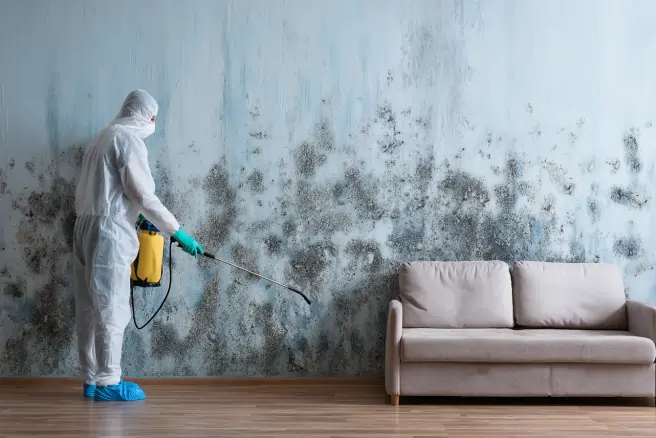
Black mould is a common household problem that can not only damage your property but also pose significant health risks if left untreated. Understanding its causes, symptoms, preventive measures, and treatment options can help you maintain a healthy living environment while protecting your home.
Causes of Black Mould on Walls
Black mould thrives in areas with excessive moisture and poor ventilation.
- High humidity levels:Humid conditions provide the perfect environment for mould spores to grow.
- Condensation:When warm, humid air comes into contact with cold surfaces like walls or windows, condensation forms and creates damp areas where mould can develop.
- Insufficient ventilation:Poor airflow in rooms like bathrooms and basements traps moisture and creates ideal conditions for black mould.
- Flooding or water damage:If water-soaked surfaces are not dried quickly and thoroughly after flooding or leaks, mould can begin to grow within 24–48 hours.
Symptoms of Black Mould on Walls
Identifying black mould early is crucial for effective treatment.
- Dark patches or spots:Black or greenish stains appear on walls, ceilings, or other surfaces.
- Musty odour:A persistent damp smell often indicates hidden black mould.
- Peeling paint or wallpaper:Moisture buildup behind walls may cause the outer layers to loosen or peel away.
- Health issues in residents:Prolonged exposure may lead to respiratory problems, allergies, skin irritation, or worsening asthma symptoms.
Preventing Black Mould
Prevention is key to stopping black mould from appearing in the first place.
- Monitor indoor humidity levels with a hygrometer and keep them below 50%.
- Use dehumidifiers in high-humidity areas like basements.
- Ensure proper ventilation by installing exhaust fans in bathrooms and kitchens.
- Repair leaks promptly to prevent water accumulation behind walls or under floors.
- Clean condensation from windowsills regularly using a dry cloth.
- Insulate cold surfaces such as exterior walls to reduce condensation risk.
| Issue | Solution |
| High humidity | Install dehumidifiers or improve ventilation |
| Water leaks | Fix plumbing issues promptly |
| Poor ventilation | Open windows/use exhaust fans |
| Condensation spots | Regular cleaning/insulation |
Treating Black Mould on Walls
- For small patches (under 1m²), you can attempt removal yourself using household products like white vinegar diluted with water or specialist anti-mould sprays.
- For larger infestations or extensive structural damage caused by water intrusion, seek professional assistance.
- Gloves (rubber/neoprene)
- Safety goggles
- Face mask/respirator (N95 recommended)
- Scrub brush/sponge
- Plastic sheets (to contain spores)
- Remove visible surface mould:Gently scrub affected areas using an anti-microbial cleaner while ensuring minimal disturbance of spores.
- Dispose of contaminated materials:Any porous materials like drywall that cannot be thoroughly cleaned should be removed and replaced.
- Dry thoroughly: Use fans/heaters after cleaning treatments ensure no remaining dampness lingers behind cleaned spaces creating reoccurring cycles later days ahead
Effective Mold Removal Deltona FL: Safely Eliminate Black Mould from Walls and Surfaces
Black mould can be both unsightly and hazardous to your health. It thrives in damp, humid conditions, making walls and surfaces vulnerable if moisture is left unchecked. Safely removing black mould requires proper preparation, tools, and techniques to ensure it is completely eradicated without harming your health or damaging the structure of your home: www.deltonamoldremoval.org
Preparation: What You Need Before Addressing Black Mold Deltona FL
Before attempting to remove black mould, gather the necessary tools and protective equipment. This ensures safety while minimizing the spread of mould spores during the cleaning process.
Protective Equipment: – Rubber gloves (preferably non-porous) – Protective goggles – Face mask or respirator (N95 or equivalent)
Cleaning Supplies: – White vinegar or a commercial mould remover – Baking soda – Mild detergent – Warm water – Spray bottle – Scrubbing brush or sponge – Disposable cloths or paper towels
Ensure that the area you’re working in is well ventilated by opening windows and doors. If possible, isolate the affected area by closing off uninfected spaces to prevent spores from spreading.
Essential Steps for Mold Inspection Deltona FL
- Assess the Extent of Mould Growth:
Inspect the infected area carefully. If mould covers an area greater than 10 square feet (approximately 1 square meter), consider consulting a professional as extensive growth may require specialized treatment. - Mix one part white vinegar with one part water in a spray bottle for an effective natural cleaner.
- Alternatively, you can use baking soda mixed with water for scrubbing stubborn patches.
- Apply Cleaning Solution:
Spray your chosen solution directly onto the mouldy surface and let it sit for 10–15 minutes. This helps loosen spores and break down their growth structure. - Scrub the Affected Area:
Use a scrubbing brush or sponge to clean away visible mould patches. Avoid applying excessive pressure on painted walls to prevent damage. - Rinse Thoroughly:
Wipe down the cleaned surface with a damp cloth soaked in warm water to remove any residue of cleaning agents and dislodged spores. - Dry Completely:
Use disposable towels or allow natural air circulation to thoroughly dry all cleaned areas—mould thrives on moisture, so this step is critical.
Effective Post-Cleaning Measures for Mold Testing Deltona FL
Maintain Proper Ventilation:– Install exhaust fans in bathrooms and kitchens. – Keep windows open when possible to reduce indoor humidity levels.
Address Moisture Issues:– Use dehumidifiers in particularly humid areas like basements.
Regular Check-Ups:Inspect high-risk areas regularly (e. g. , around windowsills or near plumbing) for early signs of dampness or discolouration that may indicate returning mould growth.
| Risk Factor | Prevention Tip |
| High Humidity | Use dehumidifiers |
| Poor Ventilation | Open windows; install exhaust fans |
| Plumbing Leaks | Repair leaks immediately |
By adhering strictly to these guidelines for safe removal as well as prevention strategies, you can effectively eliminate black mould while protecting both your home environment and overall health from its harmful effects.
Finding a Trusted Mold Removal Company Deltona FL to Address Black Mould Exposure Risks
Black mould, scientifically known as Stachybotrys chartarum, poses significant health risks, especially when left untreated in indoor environments. The presence of black mould is not just a cosmetic problem—it can have serious implications for the health of individuals exposed to it over time. Below, we explore the health risks associated with black mould exposure and strategies to mitigate its impact.
Health Effects of Black Mould Exposure
Exposure to black mould can result in a variety of symptoms that range from mild to severe. These effects often depend on an individual’s sensitivity, existing respiratory conditions, or duration of exposure.
- Nasal congestion
- Frequent coughing or sneezing
- Shortness of breath or wheezing
- Skin irritation or rashes
- Itchy eyes and throat
- Persistent headaches or sinus discomfort
- Chronic Health Conditions (due to prolonged exposure):
- Aggravated asthma symptoms
- Development of bronchitis-like conditions
- Risk of fungal infections in immunocompromised individuals
Vulnerable Groups at Higher Risk
- Children and Infants: Developing respiratory systems make them more likely to experience severe allergic reactions.
- Elderly Individuals: Their immune systems are often less capable of fighting off allergens or irritants present in mould spores.
- People with Respiratory Conditions: Those diagnosed with asthma, COPD (chronic obstructive pulmonary disease), or other lung-related illnesses may find their symptoms exacerbated.
- Immunocompromised Individuals: Cancer patients undergoing chemotherapy, organ transplant recipients, and those living with autoimmune diseases face an elevated risk.
How Black Mould Impacts Indoor Air Quality
Mould releases microscopic spores into the air that can infiltrate HVAC systems and spread throughout your home.
- Allergic reactions for sensitive individuals.
- The development of “sick building syndrome,” where prolonged time indoors triggers persistent illness-like symptoms.
- The accumulation of mycotoxins—secondary metabolites produced by certain types of fungi—which may lead to toxic effects when inhaled over long periods.
| Health Effect | Short-Term Symptoms | Long-Term Symptoms |
| Allergic Reactions | Sneezing, itchy skin/eyes | Chronic sinus infections |
| Respiratory Irritation | Coughing, nasal congestion | Asthma exacerbation |
| Toxicity from Mycotoxins | Dizziness, fatigue | Potential neurological damage |
Preventative Measures for Reducing Health Risks
- Use dehumidifiers in high-humidity areas such as basements.
- Repair leaks promptly in roofs, pipes, or walls.
- Install ventilation fans in bathrooms and kitchens.
- Open windows periodically to encourage airflow.
- Perform routine checks for water damage.
- Inspect hidden areas such as behind furniture or under sinks where mould might grow unnoticed.
- Address spills immediately using appropriate cleaning agents (e. g. , vinegar solutions).
- Regularly clean high-risk areas such as tile grout and shower caulking.
- Professional Assistance When Needed: If you suspect extensive mould growth beyond what you can safely manage yourself, consult qualified remediation experts who specialize in safe removal techniques while protecting indoor air quality.
Understanding these risks helps homeowners take proactive steps towards creating safer living spaces while ensuring long-term well-being for all occupants indoors.
How to Remove Black Mould from Bathrooms and Prevent Recurrence
Black mould, particularly in bathrooms, can be a persistent and frustrating problem due to the high levels of moisture often present in these spaces. By addressing the root causes and applying effective removal techniques, you can eliminate mould growth and prevent its return. Below is a detailed guide on how to remove black mould from bathrooms and ensure it doesn’t come back.
Causes of Black Mould in Bathrooms
Bathrooms provide an ideal environment for black mould due to: – Excessive moisture:Frequent use of showers or baths increases humidity levels.Poor ventilation:Lack of airflow allows condensation to linger on walls, ceilings, and fixtures.Leaking fixtures or pipes:Hidden leaks create damp conditions that promote mould growth.Soap scum build-up:Mould feeds on organic matter like soap residue.
Understanding these causes is essential for both removal efforts and preventative strategies.
Steps for Removing Black Mould in Bathrooms
- Protective gear: gloves, safety goggles, and an N95 mask.
- Cleaning tools: scrub brush, sponge, microfiber cloths.
- Commercial anti-mould sprays.
- DIY mixture: 1 part white vinegar with 1 part water or a mixture of baking soda and water.
- Ensure good ventilation by opening windows or running the bathroom fan.
- Remove items like shower curtains, rugs, or towels that may have been exposed to mould. Wash them with hot water and detergent.
- Spray the affected areas (e. g. , tiles, grout lines) with your chosen cleaning solution.
- Allow it to sit for 10–15 minutes to break down the mould spores.
- Use a stiff-bristled brush or sponge to scrub away visible mould.
- Pay special attention to grout lines where mould tends to embed deeply.
- Rinse cleaned surfaces thoroughly with warm water.
- Wipe all areas dry using clean cloths or towels since lingering moisture encourages new growth.
- Place used sponges, paper towels, or any disposable materials in sealed trash bags before discarding them to avoid spreading spores.
Tips for Preventing Black Mould Recurrence
- Improve Ventilation:Install an exhaust fan if one isn’t already present. Run it during and after showers for at least 15–20 minutes.
- Use Dehumidifiers:Maintain indoor humidity levels below 50% by using a dehumidifier in particularly damp bathrooms.
- Fix Leaks Promptly:Inspect faucets, pipes, and other fixtures regularly for leaks that could create damp patches conducive to mould growth.
- Use Anti-Mould Paints:
Consider repainting bathroom walls with anti-microbial paints designed specifically for humid environments. - Regular Cleaning Routine:Clean tiles, grout joints, shower doors/curtains weekly using an anti-mould cleaner or natural alternatives like vinegar solutions.
Sample Prevention Schedule
| Task | Frequency |
| Ventilate the bathroom | After each shower |
| Clean tiles & grout | Weekly |
| Inspect plumbing & fix leaks | Monthly |
| Deep clean corners & hidden areas | Quarterly |
By following these steps consistently and incorporating preventative measures into your routine, you can maintain a clean bathroom free from harmful black mould growth over time.
How to Remove Black Mould from Bathrooms and Prevent Recurrence
Black mould in bathrooms is a common issue due to the damp and humid environment. If left untreated, it can damage surfaces, reduce air quality, and pose health risks. This guide outlines how to remove black mould effectively and provides strategies for preventing it from returning.
Identifying Black Mould in Bathrooms
Before addressing black mould, it’s important to confirm its presence.
- Dark patches or spots on walls, ceilings, tile grout, or around fixtures.
- A musty odor lingering in the bathroom.
- Discoloration of silicone sealants or caulking.
Tools and Materials You’ll Need
Having the right tools will make the removal process easier.
- Protective gloves
- Safety goggles
- Respirator mask (to avoid inhaling spores)
- Scrub brush or old toothbrush
- Microfiber cloths
- Spray bottle
- A cleaning solution (e. g.
Step-by-Step Removal Process
- Ensure your bathroom is well-ventilated by opening windows or turning on an exhaust fan.
- Remove any loose items such as towels, shower curtains, bath mats, and toiletries to prevent contamination.
- Pour your chosen cleaning solution into a spray bottle for easy application.
- Spray directly onto the affected areas and let it sit for 10–15 minutes to break down the mould.
- Use a scrub brush or an old toothbrush to remove the mould from tile grout, silicone sealant edges, and other surfaces.
- For hard-to-reach crevices like corners of showers or under sinks, apply extra effort with smaller brushes.
- Wipe down surfaces with a damp microfiber cloth to remove any residue.
- Rinse thoroughly with clean water to ensure no traces of cleaning agents are left behind.
- Use dry microfiber cloths or towels to wipe all cleaned areas until they are free of moisture.
- Run an exhaust fan for at least 30 minutes after cleaning.
Preventing Black Mould Reappearance
| Prevention Method | Description |
| Improve Ventilation | Install a bathroom exhaust fan or open windows regularly after bathing. |
| Fix Leaks Promptly | Repair leaking pipes and faucets as soon as possible to curb excess moisture. |
| Use Mould Resistant Paint/Sealants | Apply anti-mould paint on walls and reapply silicone caulks with fungicidal properties where needed. |
| Control Humidity Levels | Use dehumidifiers if necessary to maintain indoor humidity below 60%. |
| Regular Cleaning Routine | Clean tiles, grout lines, and other high-moisture areas weekly using vinegar solutions or similar products. |
Additional Tips
- Wash shower curtains frequently if they are prone to dampness.
- Avoid leaving wet towels inside bathrooms; place them outside on racks where they can dry faster.
- Consider investing in moisture-sensing devices that notify you when humidity levels are too high.
By following these steps diligently and maintaining healthy bathroom practices over time, you can effectively eliminate black mould while minimizing its chances of returning in the future.
Step-by-Step Guide on Removing Black Mould from Showers and Grout
Black mould can often thrive in the damp, humid environment of showers and grout lines. It not only looks unsightly but can also pose health risks if left untreated. Addressing this issue effectively requires a combination of cleaning, preventative measures, and proper maintenance. Below is a comprehensive step-by-step guide to help you eliminate black mould from your shower and grout.
Step 1: Gather Supplies
Before starting, ensure you have all necessary materials on hand to make the process seamless.
- Protective gloves
- Safety goggles or glasses
- A face mask (preferably N95)
- Scrub brush or old toothbrush for grout lines
- Microfiber cloths or disposable rags
- Baking soda
- White distilled vinegar or hydrogen peroxide
- A spray bottle
- Mild detergent or bleach solution (optional)
Step 2: Protect Yourself and Ventilate the Area
Black mould spores can be harmful when inhaled or when they come into contact with skin. Wear gloves, goggles, and a mask during the cleaning process. Adequately ventilate your bathroom by opening windows or turning on an exhaust fan to minimize exposure to airborne mould spores.
Step 3: Prepare the Cleaning Solution
You can use natural solutions like baking soda with vinegar or opt for commercial mould removal products if preferred.
- Combine 1 part white vinegar with 2 parts water in a spray bottle.
- Add 1 tablespoon of baking soda for extra cleaning power.
- Use hydrogen peroxide directly without dilution.
- Pour into a spray bottle for easy application.
Step 4: Spray and Let it Sit
Evenly spray the solution onto the affected areas of the shower walls and grout lines where black mould is visible. Allow it to sit for at least 15–20 minutes to break down the mould while also killing its spores.
Step 5: Scrub Stubborn Mould Growth
Using a scrub brush or old toothbrush, gently scrub away any remaining mould from grout lines, tiles, and other surfaces. For tougher stains in grout, create a paste using baking soda and water; apply it to the area before scrubbing again.
Step 6: Rinse Thoroughly
Rinse off all cleaned surfaces with warm water to remove leftover cleaning residues along with loosened mould particles. Wipe dry using microfiber cloths to prevent moisture buildup.
Preventative Measures for Mould-Free Showers
- Use an exhaust fan during showers and leave it running afterward for at least 10–15 minutes.
- Keep windows open when possible to reduce humidity levels.
- Clean grout lines weekly using vinegar or mild detergents.
- Dry shower surfaces after each use with a squeegee or towel.
- Apply a waterproof sealant every 6–12 months to protect grout from moisture intrusion.
| Tip | Details |
| Reduce Shower Humidity | Invest in a dehumidifier if ventilation is limited. |
| Use Anti-Mould Paint | Apply paint designed specifically to resist mould growth on walls near showers. |
By following this guide consistently, you can keep your shower free from black mould while maintaining a healthy bathing environment over time.
Black Mould Caused by Condensation, Penetrating Damp, or Rising Damp: Key Differences and Solutions
When dealing with black mould in your property, understanding its root cause is crucial for effective removal and prevention. Black mould can result from three primary moisture problems: condensation, penetrating damp, or rising damp. Below is an explanation of these causes and practical solutions to address each issue.
Condensation: Causes and Solutions
What Causes Condensation?Condensation occurs when warm, moist air comes into contact with cold surfaces such as windows, walls, or poorly insulated areas. This often happens in spaces with poor ventilation like bathrooms, kitchens, or bedrooms.
Symptoms of Condensation-Induced Black Mould – Black spots on walls near windows – Fungus growth around window frames – Persistent damp odour – Water droplets on cold surfaces
Solutions for Condensation – Improve Ventilation:Install extractor fans in kitchens and bathrooms or use dehumidifiers to reduce indoor humidity.Insulate Properly:Insulate external walls and windows to prevent cold surfaces where condensation forms.Control Indoor Humidity:Avoid drying clothes indoors without proper ventilation.Regular Cleaning:Use a mould-resistant cleaner on areas prone to condensation.
Penetrating Damp: Causes and Solutions
What Causes Penetrating Damp?Penetrating damp occurs when water leaks through the exterior of a building due to damaged roofs, gutters, cracked walls, or faulty plumbing. It is common in older buildings with degraded materials.
Symptoms of Penetrating Damp-Induced Black Mould – Localized patches of mould growth on walls – Discolouration or peeling paint – Wet patches after rainfall – Musty smell near affected areas
Additionally: – Consider applying a water-resistant coating on external walls. – Repoint brickwork if mortar has deteriorated.
Rising Damp: Causes and Solutions
What Causes Rising Damp?Rising damp occurs due to groundwater seeping up through the foundation of a building. This happens when there is no effective damp-proof course (DPC) in place or if the DPC has failed over time.
Symptoms of Rising Damp-Induced Black Mould – Black mould forming near skirting boards – Tide marks up to 1 meter above floor level – Flaking plaster – A white powdery substance (salts) on the wall’s surface
Solutions for Rising Damp1.Install/Repair DPC:Add or restore a physical or chemical damp-proof course to act as a barrier against groundwater. 2.Improve Drainage Around the Property:Ensure proper drainage systems are in place to divert water away from foundations. 3.Replace Affected Plaster:Remove damaged sections of plaster and replace them with moisture-resistant materials. 4.Professional Assessment:Engage professionals for persistent issues requiring extensive work.
How to Determine Which Issue Is Causing Your Mould Problem
To effectively address black mould caused by moisture issues: 1. Inspect your property after rainfall (for penetrating damp). 2. Check for signs near ground level (for rising damp). 3. Observe whether it corresponds with daily activities like cooking/showering (for condensation).
By correctly identifying the source — condensation, penetrating damp, or rising damp — you can implement the appropriate solution tailored to your home’s specific needs while ensuring long-term prevention against black mould growth.
Effective Methods to Restore and Protect Your Home After Black Mould Removal
After successfully removing black mould from your home, restoration and preventive measures are essential to ensure that your space remains safe, clean, and free of future infestations. Black mould can cause damage not only to the structural integrity of your property but also to its aesthetic appeal. Implementing effective restoration techniques and prevention strategies will help maintain a healthy and mould-free living environment.
Inspecting and Repairing Damage
Once the black mould has been removed, it is critical to evaluate the extent of damage caused by the infestation. This includes both visible damage to walls, ceilings, or flooring as well as any hidden areas that may have been affected.
- Inspect affected surfaces thoroughlyfor discoloration, warping, or deterioration.
- Replace damaged materialssuch as drywall, plasterboard, or insulation that cannot be salvaged.
- Repair leaks or cracksin walls, windows, pipes, or roofs that may have contributed to mould growth.
Improving Ventilation and Indoor Air Quality
A key step in protecting your home from future mould growth is improving airflow and reducing moisture levels indoors. Proper ventilation helps regulate humidity levels while preventing damp conditions conducive to mould spores.
- Install exhaust fans in bathrooms and kitchens where moisture accumulation is common.
- Open windows regularly to allow fresh air circulation.
- Use dehumidifiers in rooms prone to high humidity (e. g. , basements or laundry rooms).
- Ensure HVAC systems are cleaned and maintained regularly to prevent moisture buildup.
Sealing Surfaces with Mould Resistant Coatings
Applying specialist products designed for long-term protection can help reduce the risk of black mould reappearing after removal.
| Product Type | Benefits | Application Areas |
| Anti-Mould Paint | Prevents regrowth on painted surfaces | Walls & ceilings |
| Waterproof Sealants | Blocks moisture penetration | Windowsills, grout lines |
| Fungicidal Coatings | Creates a protective barrier against fungal spores | Bathrooms & kitchens |
Ensure these products are applied according to manufacturer instructions for maximum effectiveness.
Controlling Moisture Levels
Since black mould thrives in damp environments, addressing sources of excessive moisture is crucial for long-term protection.
- Fix plumbing issues promptly (e. g. , leaking pipes or faucets).
- Maintain gutters and downspouts to direct water away from the property.
- Use waterproof membranes in areas prone to water ingress (such as basements).
Regular Cleaning Practices
Consistent cleaning routines are necessary to minimize dirt buildup that can harbor mould spores.
- Clean bathroom tiles with fungicidal sprays weekly.
- Wipe down windowsills where condensation tends to accumulate.
- Vacuum carpets regularly using HEPA filters.
Monitoring for Early Signs of Mould
- Look out for discoloration on corners or behind furniture.
- Check damp-prone areas like bathrooms or basements monthly.
- Use a hygrometer to monitor indoor humidity levels (ideally between 30%-50%).
By following these methods diligently, you can restore your home’s integrity while significantly reducing the risk of black mould returning. Prioritizing preventive measures ensures not only a healthier living environment but also protects your investment in the long term.
- Mold Remediation Deltona FL – Causes, Symptoms, Prevention, and Treatment
- Comprehensive Guide to Mold Removal Deltona FL: How Experts Handle the Process
- Mold Removal Deltona FL: Understanding the Difference Between Mold Abatement and Mold Remediation
- Exploring Effective Solutions for Black Mold Deltona FL: Removal vs. Remediation
- How to Identify Black Mold in Your Home in Deltona FL
- Step-by-Step Guide to Mold Remediation Deltona FL
- Understanding Black Mold in Deltona FL: Health Risks and Impacts