
Black mold, also known as Stachybotrys chartarum, is one of the most concerning types of mold due to its potential health risks. Identifying black mold early is crucial to prevent damage to your home and protect your health. Below are some common warning signs that indicate the possible presence of black mold and tips on how to identify it effectively.
Common Warning Signs of Black Mold
- A persistent, unpleasant, and earthy smell is often a key indicator of black mold growth.
- These odors are usually more noticeable in areas with poor ventilation, such as basements or bathrooms.
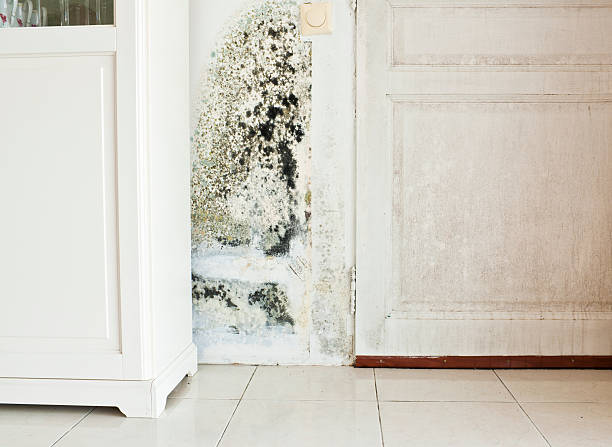
- Black mold appears as dark greenish-black or grayish-black patches on surfaces like walls, ceilings, or around windows.
- It thrives in damp conditions and often grows on porous materials like drywall, wood, or carpet.
- Symptoms such as sneezing, coughing, skin irritation, or watery eyes may worsen when spending time indoors.
- These symptoms may persist even after allergy medications if black mold is present.
- Areas with water stains, discoloration, or bubbling paint could be hiding black mold behind walls or under flooring.
- Mold often grows within 24-48 hours after water damage occurs.
- High indoor humidity levels (above 60%) create an ideal environment for black mold growth.
- Condensation on windows or walls can be another indicator.
How to Spot Black Mold vs Other Types
| Feature | Black Mold Characteristics | Other Molds Characteristics |
| Color | Dark green/black | White/gray/yellow hues |
| Texture | Slimy appearance when wet | Powdery/dry texture |
| Smell | Strong musty odor | May have no odor |
| Growth Environment | Damp areas: bathrooms/basements/leaky pipes | Can grow in dry environments |
If you’re unsure whether you’re dealing with black mold specifically, it’s advisable to seek professional inspection services for a definitive identification.
Tools for Identifying Black Mold
- Flashlight:Inspect dark corners and cracks where lighting may not reach easily.
- Moisture Meter:Measures moisture levels in walls and ceilings to detect water intrusion.
- DIY Mold Testing Kits:Available at hardware stores to test and identify specific types of molds.
- Professional Inspection:Certified technicians use advanced equipment like infrared cameras for precise detection.
Areas Prone to Black Mold Growth
- Bathrooms – Especially around bathtubs, showers, sinks, and toilets.
- Kitchens – Under sinks or behind appliances like refrigerators.
- Basements – Particularly near sump pumps or in areas with previous flooding.
- HVAC Systems – In ductwork where condensation accumulates over time.
- Windowsills – Where condensation forms from temperature changes.
Regularly inspecting these high-risk areas can help you catch signs early before they escalate into larger issues.
Detecting black mold promptly is essential for both property preservation and maintaining a healthy living environment. If any signs listed above sound familiar within your home setting, consider further investigation without delay.
5 Early Warning Signs You Need Mold Removal Deltona FL Immediately
Toxic black mold (Stachybotrys chartarum) can cause serious health issues and structural damage to your home if left untreated. Identifying the early warning signs of black mold is essential for preventing further complications and ensuring the safety of your household. Below are five critical indicators that may signal the presence of toxic black mold in your home.
Signs You Need a Mold Inspection Deltona FL: Persistent Musty Odor
A strong, persistent musty smell is often one of the first signs of black mold growth. This odor typically originates from areas with excess moisture, such as basements, bathrooms, or areas affected by water damage. Even if visible mold is not present, the consistent smell could be a sign that mold is growing in hidden areas like behind walls or under flooring.
Common Sources of Musty Odors:
- Damp basements or crawl spaces
- Leaking pipes or plumbing fixtures
- Poorly ventilated bathrooms
- Water-damaged drywall or insulation
Identifying Dark Spots?
Black mold often appears as dark greenish-black spots on surfaces such as walls, ceilings, and floors. It may also develop on materials like wood, carpet, or drywall. This discoloration can spread quickly in moist environments and should not be ignored.
Where to Check for Visible Mold:
- Corners of rooms with high humidity levels
- Window sills exposed to condensation
- Areas around leaky pipes or water stains
| Material | Appearance of Mold Growth |
| Drywall | Dark patches, irregular shapes |
| Wood | Black streaks or rings |
| Carpets | Greenish-black spots |
How a Mold Removal Company Deltona FL Can Help with Increased Allergy Symptoms
Prolonged exposure to black mold can trigger allergy-like symptoms even in individuals without previous sensitivities. Common symptoms include sneezing, runny nose, itchy eyes, and nasal congestion. These symptoms often worsen when you spend more time indoors and subside when you leave the affected space.
Health Symptoms to Monitor:
- Frequent coughing or sneezing
- Irritation in the throat and nasal passages
- Skin rashes or redness
If multiple members of your household experience these symptoms simultaneously, it may indicate poor indoor air quality caused by hidden mold growth.
High indoor humidity provides an ideal environment for toxic black mold to thrive. If your home consistently has humidity levels above 60%, it increases the likelihood of condensation forming on surfaces—creating perfect conditions for mold growth.
Tips for Monitoring Humidity:
- Use a hygrometer to measure indoor humidity levels.
- Keep relative humidity between 30%-50%.
- Invest in a dehumidifier for damp rooms like basements.
Past water damage—such as flooding or long-term leaks—can lead to undetected black mold behind walls or underneath flooring materials. Stains on ceilings and walls are clear indicators that moisture has seeped into structural components where black mold might be developing unnoticed.
Areas Prone to Moisture Build-Up:
- Roofs with leaks
- Underneath kitchen sinks
- Around bathtubs and showers
Addressing any signs of water damage promptly can help prevent future issues with toxic black mold growth.
By recognizing these early warning signs, homeowners can act quickly to address potential problems before they escalate into more significant health risks or costly repairs. Regular inspections and maintaining proper ventilation are key steps toward preventing toxic black mold infestations in your living space.

The Health Risks and Dangers of Toxic Black Mold Exposure Explained
Toxic black mold, scientifically known as Stachybotrys chartarum, poses significant health risks when present in indoor environments. These toxic compounds can have severe effects on human health, especially for individuals with pre-existing conditions or weakened immune systems.
Common Health Symptoms of Black Mold Exposure
Exposure to black mold can lead to a variety of symptoms, many of which overlap with other health conditions. Recognizing these signs promptly is essential for safeguarding your well-being.
- Chronic coughing or sneezing
- Difficulty breathing or shortness of breath
- Nasal congestion and sinus irritation
- Skin rashes and itching
- Watery, red eyes
- Runny nose
- Headaches or migraines
- Memory problems and difficulty concentrating (“brain fog”)
- Dizziness
- Fatigue and lethargy
- Nausea or vomiting in severe cases
Children, elderly individuals, and those with asthma or allergies are particularly vulnerable to these effects. Prolonged exposure can lead to more severe complications, including permanent respiratory damage.
Long-Term Health Risks from Chronic Exposure
| Health Risk | Potential Effect |
| Asthma Development | May trigger asthma in individuals who previously did not have it. |
| Chronic Respiratory Issues | Prolonged inflammation leading to reduced lung function. |
| Weakened Immune System | Increased susceptibility to infections and illness. |
| Neurological Damage | Long-term cognitive impairments associated with mycotoxin exposure. |
Moreover, individuals with autoimmune disorders may experience aggravated symptoms due to the heightened stress on their immune systems.
Why Black Mold Is Dangerous
The primary reason black mold is so hazardous lies in the release of mycotoxins into the air. These microscopic particles can easily be inhaled or absorbed through the skin, leading to systemic reactions in the body. Mycotoxins are known to suppress immune function and cause cell damage over time if exposure persists.
Additionally, black mold thrives in damp environments such as basements, bathrooms, and areas affected by water damage. This makes it difficult for homeowners to detect early before significant growth occurs.
Who Should Be Concerned?
- Infants and young children
- Pregnant women
- Elderly individuals
- People with existing respiratory conditions (e. g.
- Individuals undergoing chemotherapy or treatments that suppress immunity
Preventing Health Risks Through Early Detection
- Regularly inspect areas prone to moisture accumulation.
- Address leaks or water damage immediately.
- Use dehumidifiers in humid regions to maintain indoor humidity levels below 50%.
- Hire a professional if you suspect extensive mold growth within walls or ceilings.
By staying vigilant about potential symptoms and taking proactive measures against mold proliferation, you can significantly reduce health risks associated with toxic black mold exposure.
The Health Risks and Dangers of Toxic Black Mold Exposure Explained
Toxic black mold, scientifically known as Stachybotrys chartarum, is a type of fungus that thrives in damp, humid, and poorly ventilated environments. Its presence in homes and buildings can have serious health implications, particularly for vulnerable individuals such as children, the elderly, and those with pre-existing health conditions. Below is an overview of the various risks associated with toxic black mold exposure.
How Black Mold Affects Health
Exposure to black mold can lead to a range of symptoms that vary depending on the individual’s sensitivity, length of exposure, and the concentration of mold spores in the air.
- Persistent coughing or sneezing
- Difficulty breathing or shortness of breath
- Nasal congestion and sinus infections
- Skin rashes or hives
- Red, itchy eyes
- Throat irritation
- Chronic Symptoms (from prolonged exposure)
- Fatigue or lethargy
- Frequent headaches or migraines
- Worsening asthma symptoms in individuals with pre-existing conditions
Severe Health Risks in Prolonged Exposure
Over time, continuous exposure to toxic black mold can lead to more severe complications.
- Neurological Issues: The mycotoxins produced by black mold spores are neurotoxic. This means they can potentially impair brain function over time. Symptoms may include mood swings, memory loss, confusion, or difficulty concentrating.
- Immune System Suppression: Individuals exposed to high levels of mycotoxins might experience weakened immunity. This can lead to increased susceptibility to infections.
- Pulmonary Hemorrhage: Though rare and primarily affecting infants and small children, prolonged exposure has been linked to bleeding in the lungs.
| Symptom/Condition | Potential Cause | Who’s Most At Risk? |
| Allergic reactions | Mold spore inhalation | Allergy-prone individuals |
| Sinus infections | Inflammation due to airborne particles | Those with sinus issues |
| Neurological problems | Mycotoxin toxicity | Prolonged exposure cases |
| Asthma exacerbation | Airborne irritants | Asthmatic individuals |
Vulnerable Populations at Higher Risk
- Young Children & Infants:Developing immune systems make children particularly vulnerable.
- Elderly Individuals:Age-related immune decline increases sensitivity.
- Immunocompromised Individuals:People undergoing chemotherapy or living with autoimmune diseases face heightened risks.
- People With Chronic Respiratory Conditions:Conditions like asthma or chronic bronchitis are likely to worsen upon exposure.
Preventive Measures
- Regularly inspect damp areas like basements and bathrooms for signs of mold growth.
- Use dehumidifiers in humid climates or poorly ventilated spaces.
- Address water leaks promptly—whether from ceilings, walls, or plumbing fixtures.
- Ensure proper ventilation in moisture-prone areas such as kitchens and laundry rooms.
Toxic black mold poses a serious threat not only to property but also to human health if left unchecked. Understanding its associated dangers is critical for timely intervention and prevention efforts within your home environment.
Effective Mold Remediation Deltona FL: How to Identify and Address Black Mold
Identifying and addressing black mold in your home is crucial for maintaining a safe and healthy living environment.Stachybotrys chartarum, thrives in damp, humid conditions and can pose serious health risks if left untreated. Below is a guide to help you confirm the presence of black mold and take appropriate action.
Step 1: Recognize the Signs of Black Mold
- Musty Odor: A persistent earthy or damp smell, especially in basements, bathrooms, or under sinks.
- Visible Growth: Dark greenish-black spots or streaks on walls, ceilings, floors, or other surfaces prone to moisture.
- Water Damage: Areas with consistent moisture issues like leaks, condensation buildup, or water-stained walls are prime locations for mold growth.
- Increased Allergies: Symptoms such as sneezing, coughing, skin irritation, or watery eyes may worsen indoors due to airborne mold spores.
Step 2: Inspect Problematic Areas
Perform a thorough inspection of areas susceptible to moisture accumulation.
| Area | What to Check For |
| Bathrooms | Shower tiles/grout, under sinks/cabinets |
| Kitchens | Refrigerator seals, beneath dishwashers/sinks |
| Basements/Crawlspaces | Leaks near plumbing pipes; damp corners |
| Attics | Roof leaks; insulation damage |
Use a flashlight to thoroughly check dark corners and hidden spaces.
Step 3: Conduct a Mold Test
- Purchase an At-Home Mold Test Kit: These kits allow you to collect samples from your home for laboratory analysis.
- Hire a Professional Inspector: A certified professional can conduct air quality testing and identify specific types of molds present.
- Check Humidity Levelsusing a hygrometer—black mold thrives when indoor humidity exceeds 60%. Aim for levels between 30–50%.
Step 4: Address the Source of Moisture
- Fix leaky pipes immediately.
- Improve ventilation with exhaust fans in bathrooms/kitchens.
- Use dehumidifiers in high-humidity areas.
- Ensure gutters direct water away from your home’s foundation.
Without eliminating excess moisture sources first ensures reoccurrence despite cleaning efforts.
Do Not Attempt DIY Removal If:
- The affected area exceeds 10 square feet– consult professionals instead per EPA recommendations .
Otherwise,
Protective Measures Required Cleaning(Surface).
What to Do If You Suspect Black Mold: A Step-by-Step Guide
Discovering or suspecting black mold in your home can be stressful, but addressing the issue promptly is crucial for safeguarding both your property and your health. This step-by-step guide outlines the necessary actions you should take if you believe black mold may be present.
Start by identifying areas in your home where mold growth might occur. Black mold thrives in damp, humid, and poorly ventilated spaces.
- Bathrooms: Around sinks, tubs, and showers.
- Kitchens: Under sinks or behind appliances prone to leaks.
- Basements: Near pipes, walls, or flooring with water damage.
- HVAC Systems: Inside ducts or around vents if moisture has accumulated.
Look for visual signs such as dark green or black patches on walls, ceilings, or floors. Pay attention to musty odors as they often signal hidden mold.
Mold cannot grow without moisture.
- Leaky pipes
- Roof leaks
- Condensation on windows
- Flooding incidents
Fixing these issues is critical for preventing further growth.
Black mold can release spores into the air that may trigger respiratory irritation or other health symptoms.
- Wear gloves to prevent skin contact.
- Use an N95 respirator mask to avoid inhaling spores.
- Put on safety goggles for eye protection.
- Cover exposed skin with long sleeves and pants.
Avoid disturbing visible mold unless you’re properly equipped since this could release more spores into the environment.
- Purchase a DIY mold testing kit from a hardware store.
- Collect samples according to the instructions provided in the kit.
- Send samples to a lab for analysis or use a kit with rapid results.
Alternatively, hire a professional mold inspector who will use advanced tools like moisture meters and infrared cameras to detect hidden growth.
For small areas (less than 10 square feet), you may be able to handle removal yourself using household cleaning supplies like bleach solutions or commercial-grade products labeled for mold remediation purposes.
| Scenario | Action Recommended |
| Mold covers more than 10 square feet | Hire certified remediation experts |
| Mold infestation originates from flooding | Professional help is essential |
| Family members are experiencing health complications | Consult specialists immediately |
Attempting large-scale removal without proper training could exacerbate contamination and pose greater risks.
Certified professionals have access to specialized equipment designed for effective containment and eradication of toxic molds like HEPA vacuums and air scrubbers. They’ll also ensure surrounding areas remain unaffected during treatment processes by sealing off impacted zones with plastic sheeting under negative pressure systems.
- Verify certifications (such as IICRC certification).
- Check online reviews and request references from previous clients.
- Obtain written estimates detailing services provided upfront—this avoids unexpected costs later on.
- Use dehumidifiers regularly if humidity levels exceed 50%indoors.
- Install exhaust fans in kitchens/bathrooms where steam builds frequently.
- Repair all existing leaks immediately after detection—procrastination leads directly back into recurrence issues over time!
By staying proactive post-remediation efforts alongside consistent maintenance routines moving forward ensures ongoing safety peace-of-mind alike homeowners renters alike everywhere alike overall.
- Mold Remediation Deltona FL – Causes, Symptoms, Prevention, and Treatment
- Comprehensive Guide to Mold Removal Deltona FL: How Experts Handle the Process
- Mold Removal Deltona FL: Understanding the Difference Between Mold Abatement and Mold Remediation
- Exploring Effective Solutions for Black Mold Deltona FL: Removal vs. Remediation
- How to Identify Black Mold in Your Home in Deltona FL
- Step-by-Step Guide to Mold Remediation Deltona FL
- Understanding Black Mold in Deltona FL: Health Risks and Impacts