
When it comes to addressing a mold problem in your home or property, it’s important to understand the distinction between mold removal and mold remediation. While these terms are sometimes used interchangeably, they refer to different processes that serve distinct purposes.
What is Mold Removal?
Mold removal refers to the process of physically eliminating mold spores and colonies from contaminated surfaces. This is often a temporary solution, targeting only the visible mold growth without addressing underlying causes. Because mold spores are naturally present in every environment, complete removal of all traces of mold is virtually impossible.
Key characteristics of mold removal include:
– Focus on visible mold: Removes surface-level mold growth from affected areas.
– Short-term solution: Does not always tackle the root cause of the infestation. – May involve basic cleaning methods: Such as scrubbing with detergent or applying biocides.
While helpful for improving aesthetics and reducing immediate health risks, mold removal alone may not prevent future outbreaks if conditions remain favorable for mold growth.
What is Mold Remediation?
In contrast, mold remediation is a comprehensive approach designed to manage and control mold issues more effectively. It focuses on identifying and addressing the root causes that allow mold to thrive—such as excess moisture or poor ventilation—while also removing existing contamination.
Steps involved in a typical remediation process:
1. Inspection and Assessment: Professionals identify affected areas and measure contamination levels.
2. Containment: Barriers such as plastic sheeting or negative air pressure systems are set up to prevent the spread of spores during cleanup.
3. Removal of Contaminated Materials: Heavily infested materials like drywall or carpeting may need to be removed and disposed of properly.
4. Surface Treatment and Cleaning: Specialized tools like HEPA vacuums, antimicrobial solutions, or dry ice blasting are used for thorough cleaning. 5. Addressing Moisture Issues: Repairs to leaks, improved ventilation systems, or dehumidifiers may be necessary to eliminate environmental conditions conducive to future growth.
Key Differences Between Mold Removal and Remediation
| Aspect | Mold Removal | Mold Remediation |
| Objective | Eliminate visible mold growth | Address root causes & manage recurrence |
| Scope | Limited | Comprehensive |
| Longevity | Temporary solution | Long-term prevention |
| Techniques | Basic cleaning methods | Advanced tools & containment |
Which Approach Do You Need?
- Opt for simple removal when dealing with small surface-level outbreaks in low-risk areas (e.g., bathtub grout).
- For extensive infestations or recurring problems caused by structural issues, professional remediation ensures a more permanent resolution.
Understanding these differences empowers homeowners to make informed decisions when tackling fungal contamination in their spaces effectively. By selecting the appropriate course of action—whether it’s basic cleanup or comprehensive remediation—you can protect both your property value and personal well-being efficiently over time.
Comprehensive Guide to Mold Removal Deltona FL and Its Importance for Your Home
Mold removal is a critical process to maintain a healthy living environment in your home. When left unchecked, mold can lead to various structural and health-related issues, making it essential for homeowners to understand its risks and the importance of proper removal.
Understanding Mold Inspection Deltona FL and Removal Methods
Mold removal refers to the process of identifying, cleaning, and eliminating mold colonies from surfaces within your home. Unlike mold remediation—which focuses on addressing the root cause of mold growth—mold removal primarily deals with physically eliminating visible mold.
- Bathrooms
- Kitchens
- Basements
- Attics
- HVAC systems
Addressing visible mold is essential because it prevents further contamination, reduces allergens in the air, and minimizes the risks associated with long-term exposure.
The Importance of Mold Testing Deltona FL for a Healthy Home
1. Protecting Your Health
- Nasal congestion
- Coughing or wheezing
- Skin irritation or rashes
- Eye redness or itchiness
For individuals with weakened immune systems, certain types of molds (e.g., black mold) can pose severe risks.
2. Preventing Structural Damage
- Mold weakens the integrity of structures.
- It leads to discoloration and unsightly stains.
- Repairs become more expensive as damage worsens.
3. Improving Indoor Air Quality
Mold releases spores into the air that can spread throughout your home via ventilation systems. These spores reduce indoor air quality by introducing allergens and irritants that circulate in living spaces.
4. Enhancing Property Value
A property infested with mold can see a drop in value due to buyer concerns about safety and repair costs. Removing existing mold ensures that your home remains marketable and appealing should you decide to sell.
Comprehensive Guide from a Mold Removal Company in Deltona FL
| Step | Description |
| Inspection & Assessment | Professionals assess areas affected by moisture or visible signs of contamination. |
| Containment | To prevent further spread, barriers like plastic sheeting are set up around affected areas. |
| Removal | Physical elimination of visible molds using specialized tools or cleaning agents. |
| Cleaning & Sanitizing | Surfaces are cleaned thoroughly using antimicrobial solutions to remove residues. |
| Drying | Affected areas are dried completely using dehumidifiers or fans. |
DIY vs Professional Mold Removal
While small patches of surface-level mold may be manageable with DIY methods like vinegar or baking soda solutions, larger infestations require professional intervention due to their complexity and potential hazards. Professionals have access to advanced equipment such as HEPA vacuums and protective gear that ensure thorough removal while safeguarding against exposure risks.
Preventative Measures Post-Mold Removal
- Fix sources of leaks (e.g., plumbing issues).
- Use dehumidifiers to maintain indoor humidity below 50%.
- Ventilate high-moisture areas such as bathrooms during use by installing exhaust fans.
- Regularly inspect basements, attics, and crawl spaces for signs of dampness.
- Clean HVAC systems periodically to prevent spore accumulation.
Effective mold removal protects both the structural integrity of your home and the well-being of its residents—a vital step toward ensuring a safe living space for years ahead.
Comprehensive Guide to Mold Remediation: Steps and Benefits
Mold remediation is a critical process for maintaining the safety and health of your living environment. When left unchecked, mold growth can cause structural damage to your home and pose serious health risks. This guide will walk you through the steps involved in mold remediation and highlight its key benefits.
Steps in the Mold Remediation Process
- A professional mold inspection is conducted to determine the extent of mold contamination.
- Technicians assess moisture levels using specialized tools like hygrometers and thermal imaging cameras.
- Samples may be taken for laboratory analysis to identify specific types of mold.
- Containment measures are implemented to prevent mold spores from spreading during removal.
- Physical barriers such as plastic sheeting or negative air pressure systems may be used.
- HEPA (High-Efficiency Particulate Air) filters are employed to capture airborne spores during remediation.
- Air scrubbers help improve indoor air quality throughout the process.
- Affected materials such as drywall, carpeting, or insulation may need full removal if severely damaged.
- Non-porous surfaces are cleaned with antimicrobial treatments or scrubbed with brushes and detergent solutions.
- Professional-grade equipment ensures thorough cleaning without spreading spores further.
- Removed building materials like drywall or insulation are replaced after the contamination is eliminated.
- Repainting, sealing surfaces, or applying anti-mold coatings helps protect against future outbreaks.
- The root cause of moisture intrusion—such as leaks or high humidity levels—is addressed to prevent recurrence.
- Dehumidifiers or HVAC system adjustments might be necessary for ongoing moisture management.
Benefits of Mold Remediation
- Improved Indoor Air Quality: Eliminating airborne spores reduces allergens and irritants that can exacerbate respiratory conditions like asthma or allergies.
- Prevention of Structural Damage: Mold can weaken wood, drywall, and other building materials over time; prompt remediation ensures your home remains structurally sound.
- Health Protection: Addressing mold growth minimizes health risks linked to exposure, including headaches, skin irritation, chronic fatigue, and respiratory issues.
- Enhanced Property Value: Homes free from visible signs of mold have higher market appeal compared to properties with persistent moisture issues or visible damage from past infestations.
| Step | Description |
| Inspection | Assessing the extent of contamination through tools and lab samples |
| Containment | Isolating affected areas using barriers |
| Air Filtration | Employing HEPA filters for cleaner indoor air |
| Mold Removal | Cleaning or removing contaminated materials |
| Repair & Restoration | Replacing damaged elements after cleaning |
| Moisture Control | Addressing water sources causing mold outbreaks |
Professional Assistance vs DIY Solutions
- Using advanced equipment like HEPA vacuums and antimicrobial agents unavailable in retail stores.
- Ensuring complete removal without spreading contaminants further into your home.
- Offering long-term solutions by addressing underlying causes like leaks or inadequate ventilation.
For effective results that prioritize both safety and long-term prevention strategies, professional assistance is highly recommended when dealing with significant or recurring mold problems.
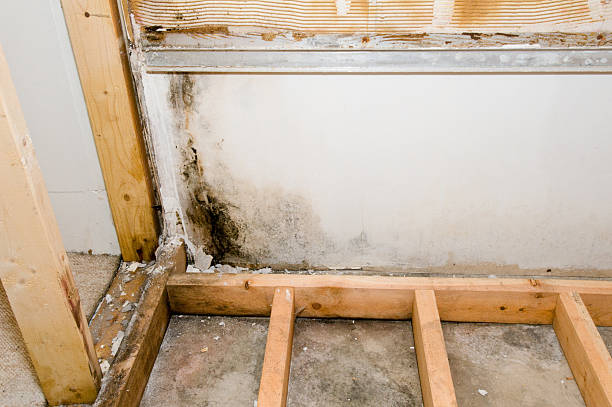
Choosing the Right Mold Remediation Services for Your Needs
When faced with a mold issue in your home, selecting the right remediation service is critical to resolving the problem effectively. Mold can pose significant risks to both health and property, so partnering with a professional service ensures that the job is done correctly and safely. Here are some factors to consider and steps to help you choose the best mold remediation services for your specific needs.
Key Factors to Consider When Selecting a Mold Remediation Service
- Look for companies with extensive experience in mold inspection, removal, and remediation.
- Verify if their team consists of certified professionals trained in industry protocols like those set by the Institute of Inspection Cleaning and Restoration Certification (IICRC).
- Ensure the company holds proper licenses required by your state or region.
- They should also carry liability insurance to cover any potential damages during the process.
- Choose a service provider that performs thorough inspections to identify not just visible mold but also hidden growth using tools like moisture meters or infrared cameras.
- Request an estimate upfront that clearly outlines costs for inspection, equipment usage, labor, repair work, or additional preventative measures.
- Reputable services should use EPA-approved solutions and methods for mold removal while adhering strictly to safety standards.
- They must avoid practices like “encapsulation” unless absolutely necessary as it can trap moisture beneath surfaces.
Questions to Ask Potential Mold Remediation Companies
- Do you have references from previous clients?
- What certifications do your technicians hold?
- How do you ensure that all mold is effectively removed without cross-contamination?
- What preventive steps are included post-remediation?
Comparing Services: A Quick Table Overview
| Criteria | Company A | Company B | Company C |
| Years of Experience | 10+ | 5 | 8 |
| IICRC Certified Professionals | Yes | No | Yes |
| Free Initial Inspection | Yes | Yes | No |
| Warranty Provided | Yes (1 year) | No | Yes (6 months) |
Note: Always weigh these factors alongside reviews from customers or trusted sources.
Red Flags to Avoid
- Offer generic advice without inspecting your property thoroughly.
- Use scare tactics or pressure you into immediate decisions.
- Avoid documentation regarding their process or findings.
- Lack transparency about pricing or methods used.
Benefits of Choosing Qualified Professionals
- The source of mold growth will be addressed comprehensively.
- Health risks associated with exposure will be minimized.
- Preventative measures will reduce future occurrences.
By taking time to evaluate potential companies carefully, you ensure a safe living environment while protecting your investment in your home.
Essential Signs You Need Mold Remediation Deltona FL Services Immediately
Mold growth is not always immediately visible, but addressing it promptly is critical to maintaining a healthy living environment. Identifying the signs of mold can help you act quickly before the problem escalates. Below are key indicators that your home may require immediate mold removal services.
Visible Mold Growth
- Green, black, or white spots on walls, ceilings, or floors
- Fuzzy textures on organic materials such as drywall, wood, or fabrics
- Discoloration on tiles or grout in bathrooms and kitchens
Even small patches of visible mold could indicate larger infestations hidden behind walls or under flooring.
Musty Odors
- Basements
- Bathrooms
- Kitchens
- Attics
If you notice this smell consistently and cannot locate its source, it’s time to investigate further with professional assistance.
Water Damage and Leaks
| Source of Water Damage | Potential Problem Areas |
| Plumbing leaks | Under sinks, behind appliances |
| Roof leaks | Ceilings, attic spaces |
| Flooding | Basements, low-level flooring |
| Condensation buildup | Windowsills, HVAC units |
If you’ve experienced any of these problems recently or in the past without proper remediation efforts, there’s a high chance that mold might have developed.
Allergic Reactions and Health Symptoms
- Sneezing
- Runny nose
- Itchy eyes or skin
- Persistent coughing or wheezing
If multiple household members experience these symptoms when at home but not elsewhere, it may be linked to airborne mold spores inside your living space.
Increase in Humidity Levels
- Condensation forming on windows or glass surfaces
- Dampness lingering in areas like basements and bathrooms
- Difficulty keeping wooden furniture or floors dry
Investing in a hygrometer can help monitor indoor humidity levels; anything above 60% should be addressed immediately.
Peeling Paint and Wallpaper
If paint starts bubbling or wallpaper peels away from walls without any apparent cause (such as age), it could indicate moisture intrusion—an issue often associated with hidden mold colonies underneath.
Addressing these warning signs promptly by consulting trained professionals will prevent further structural damage and potential health risks for your family. Regular inspections and maintenance are also recommended if your home has a history of water damage or resides in a humid climate prone to frequent moisture-related problems.
How to Protect Your Home and Health Through Effective Mold Remediation
Mold can pose serious risks to both your home and health if left untreated. Effective mold remediation is essential not only for maintaining the structural integrity of your property but also for safeguarding the well-being of everyone in the household. Here, we explore actionable steps and precautions to protect your home and health through effective mold remediation.
Understanding the Importance of Mold Remediation
Mold thrives in damp, poorly ventilated areas, feeding on organic materials such as wood, drywall, or fabric. Beyond causing damage to these materials, mold releases spores that can trigger health problems, particularly respiratory issues like asthma and allergies. Taking a proactive approach to mold remediation helps:
– Prevent structural deterioration of your home.
– Eliminate potential health hazards caused by mold exposure.
– Maintain indoor air quality for a healthier living environment.
Steps to Effectively Protect Your Home from Mold
- Invest in dehumidifiers to maintain indoor humidity levels below 60%.
- Regularly check for water leaks around pipes, windows, or roofs and repair them immediately.
- Ensure that bathrooms, kitchens, and laundry areas have proper ventilation.
- Basements, attics, and crawlspaces are particularly susceptible to mold growth due to limited airflow and high moisture levels. Conduct regular inspections in these spaces.
- Use exhaust fans in high-humidity areas like kitchens and bathrooms.
- Open windows whenever possible to encourage airflow.
- Dry any wet materials within 24-48 hours after flooding or water intrusion.
- Remove soaked carpets or upholstery if they cannot be dried promptly.
- Use Mold-Resistant Materials (For Renovations)
- Opt for mold-resistant drywall or paint in damp-prone areas such as basements or bathrooms.
- Seal porous surfaces like wood with appropriate treatments.
Protecting Your Health During Mold Cleanup
- Use gloves made from natural rubber or neoprene.
- Wear goggles without ventilation holes to prevent exposure to spores.
- Don an N95 respirator mask for protection against inhaling particles.
- Isolate the Affected Area: Close doors or use plastic sheeting to contain spores while cleaning up the moldy space.
- Utilize Safe Cleaning Solutions: Use a mix of detergent with water for washable surfaces or consider specialized commercial products designed for non-toxic mold removal.
When Professional Help is Necessary
| Signs You Need Professional Mold Remediation | Explanation |
| Persistent musty odor | Indicates hidden growth that might not be visible without expert assessment |
| Large-scale spread (>10 square feet) | Requires specialized tools and solutions |
| Health symptoms worsen | If household members experience persistent allergies or respiratory issues |
| Structural damage | Visible damage such as rotting walls suggests advanced infestation |
Hiring certified professionals ensures thorough removal while reducing risks associated with improper handling of toxic molds like Stachybotrys chartarum (black mold).
By addressing both prevention strategies and effective remediation practices early on, you can uphold a safe and healthy environment within your home while preventing costly damages over time.
- Mold Remediation Deltona FL – Causes, Symptoms, Prevention, and Treatment
- Comprehensive Guide to Mold Removal Deltona FL: How Experts Handle the Process
- Mold Removal Deltona FL: Understanding the Difference Between Mold Abatement and Mold Remediation
- Exploring Effective Solutions for Black Mold Deltona FL: Removal vs. Remediation
- How to Identify Black Mold in Your Home in Deltona FL
- Step-by-Step Guide to Mold Remediation Deltona FL
- Understanding Black Mold in Deltona FL: Health Risks and Impacts