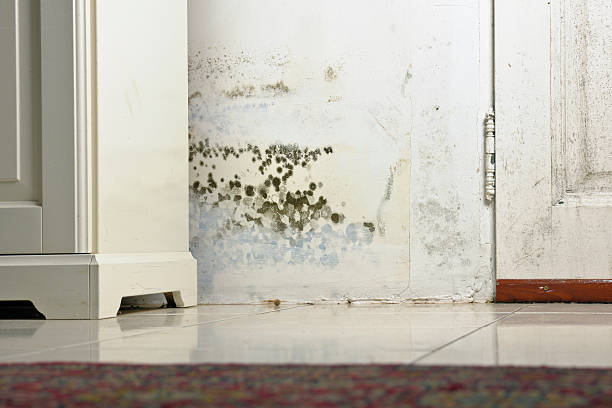
Mold remediation is a critical process that ensures the removal of mold from affected spaces while minimizing health risks and preventing further contamination. This guide provides an in-depth look at how experts approach mold remediation, using industry-standard practices to ensure effective results.
What Is Mold Remediation?
Mold remediation refers to the professional removal, cleaning, and treatment of mold-infested areas. It is more than just scrubbing away visible mold; it involves addressing underlying causes, correcting moisture issues, and ensuring that mold does not return. The goal is to restore a safe and healthy environment for occupants.
Key Components of the Mold Remediation Process
- Experts conduct a thorough inspection to identify the type and extent of mold growth.
- Moisture mapping tools are often used to locate hidden dampness, as moisture is essential for mold growth.
- Air quality testing may be performed to evaluate spore concentration levels.
- Containment procedures prevent the spread of spores during cleanup.
- Negative air pressure systems, plastic sheeting barriers, and sealing off HVAC vents are commonly used methods.
- Non-porous materials (such as glass or metal) can often be cleaned thoroughly.
- Porous materials like drywall, carpets, or insulation may need to be removed entirely if heavily contaminated.
- Specialized antimicrobial solutions are used to clean surfaces and destroy remaining spores.
- HEPA vacuuming eliminates loose spores from surfaces and air ducts.
- Industrial-grade dehumidifiers and air movers are employed to remove moisture from affected spaces quickly.
- After treatment, professionals conduct follow-up inspections or air tests to confirm successful remediation.
- Clearance testing ensures safe re-occupancy of the space.
Why Professional Expertise Matters
- Specialized Tools: Professionals use advanced equipment like infrared cameras, HEPA vacuums, and negative air machines tailored for effective mold removal.
- Health Safety: Incorrect handling can lead to exposure risks such as respiratory problems or allergic reactions.
- Root Cause Identification: Experts address underlying water infiltration issues preventing future infestations.
Common Challenges in Mold Remediation
Even with professional intervention, certain challenges can arise during the process: | Challenge | Impact | Resolution | |——————————————-|—————————————–|—————————————–| | Identifying Hidden Mold | Hidden growth complicates removal | Use advanced detection tools | | Cross-Contamination Risks | Spreading spores into adjacent areas | Establish proper containment strategies | | Dealing with Extensive Structural Damage | Severe damage increases repair costs | Combine repairs with remediation efforts|
Benefits of Proper Mold Remediation
Addressing mold promptly offers several benefits: – Improved indoor air quality – Reduced health risks for occupants – Protection against structural deterioration – Restoration of property value
When handled correctly by trained professionals following industry standards like those outlined by IICRC (Institute of Inspection Cleaning and Restoration Certification), the process ensures a safe living or working environment free from harmful mold growths.
Essential Steps for Mold Remediation Deltona FL: From Inspection to Safe Re-Occupancy
Mold removal is a meticulous process requiring a combination of expertise, specialized tools, and adherence to industry standards. Each step in the mold remediation process is critical to ensure safe and effective removal. Below, we delve into the key steps involved, highlighting their importance in achieving a mold-free environment.
Step 1: Initial Assessment and Inspection
- Visual Inspection: Experts inspect areas prone to moisture or visible signs of mold growth.
- Moisture Mapping: Utilizes tools like moisture meters to locate hidden dampness behind walls or under flooring.
- Air Sampling: Determines spore concentration levels within indoor environments.
- Surface Testing: Confirms the type of mold present on affected materials.
This comprehensive assessment ensures that no hidden mold colonies are overlooked and helps formulate an appropriate remediation plan.
Step 2: Containment Setup
- Installing plastic sheeting barriers around contaminated areas.
- Using negative air pressure machines with HEPA filters to ensure air flow moves inward but not outward.
Proper containment mitigates cross-contamination, protecting unaffected parts of the property.
Step 3: Mold Removal and Cleaning
- Mold on metal, glass, or tile can typically be scrubbed off using antimicrobial cleaners.
- HEPA vacuuming eliminates loose spores after cleaning.
- Carpets, drywall, or insulation often need to be removed entirely as they retain mold even after surface cleaning.
- Soft goods like furniture may require specialized treatments or disposal if heavily contaminated.
- All surrounding areas are thoroughly cleaned using HEPA vacuums and wet wiping with appropriate solutions to remove residual spores.
A focus on precision at this stage ensures that both visible mold and microscopic particles are addressed effectively.
Step 4: Drying and Dehumidification
Moisture control is critical post-removal. High-performance dehumidifiers are deployed along with industrial fans for thorough drying. This step reduces the likelihood of future growth by ensuring optimal indoor humidity levels are maintained below 50%.
| Humidity Level | Risk Factor |
| Above 60% | High risk for mold growth |
| Between 50%-60% | Moderate risk |
| Below 50% | Safe range |
Step 5: Verification (Clearance Testing)
- Air sampling confirms acceptable spore counts.
- Visual inspections check for any remaining signs of contamination or moisture issues.
Verification assures homeowners that their space is ready for safe reoccupation.
Step 6: Reoccupancy Preparation
After clearance testing passes, cleaned areas are restored as necessary (e.g., replacing drywall). Preventative measures like sealing cracks or improving ventilation systems may also be recommended by professionals at this stage.
Taking these steps carefully not only eradicates existing issues but helps reduce risks associated with future infestations.
Effective Steps to Address Black Mold in Deltona FL: From Assessment to Re-Occupancy
Effective mold removal is a multi-step process requiring careful planning and execution. To ensure the complete eradication of mold and prevent its return, specialists follow a structured approach. Below are the key steps involved in professional mold remediation.
1. Initial Assessment and Inspection
- The type of mold present (e.g., black mold, white mold, etc.).
- The extent of contamination—whether it’s localized or widespread.
- The underlying causes, such as leaks or high humidity, that contributed to mold growth.
Specialized tools like moisture meters and infrared cameras may be used to identify hidden moisture sources that encourage mold proliferation.
2. Containment of Affected Areas
- Plastic sheeting: To seal off walls, doors, and HVAC vents within affected spaces.
- Negative air pressure systems: These use air filtration devices (AFDs) with HEPA filters to ensure airflow moves inward but not outward from the contained area.
This step ensures other areas remain safe from contamination while work proceeds.
3. Mold Removal Techniques
- a) Non-Porous Surfaces: Hard surfaces like metal or glass are thoroughly cleaned using antimicrobial cleaning agents that kill existing mold spores.
- b) Porous Materials: Items like drywall, carpets, or ceiling tiles are more challenging since they absorb moisture easily. Often these materials must be cut out and replaced if significant growth has occurred (see additional considerations below for porous materials).
- c) HEPA Vacuuming & Surface Cleaning: After large debris is removed, surfaces are vacuumed with HEPA-grade vacuums designed to capture tiny particles as small as 0.3 microns.
4. Address Underlying Moisture Issues
- Repairing plumbing leaks or roof damage.
- Improving ventilation in high humidity rooms like bathrooms or kitchens.
- Installing dehumidifiers in areas prone to dampness.
A proactive approach ensures that spores do not have conditions favorable for regrowth.
5. Post-Cleaning Verification Testing
| Test Type | Purpose | Tools Used |
| Air Sampling | Checks air quality for remaining spores | Spore traps |
| Surface Sampling | Verifies cleanliness post-removal | Swabs/adhesive tape sampling |
| Humidity Measurements | Ensures optimal indoor humidity levels | Hygrometers |
These tests ensure the remediation process has been successful before reoccupying treated spaces.
6. Re-Occupancy Guidelines
- Ensure HVAC systems are functioning normally without circulating contaminants.
- Keep indoor relative humidity below recommended levels (30%-50%).
- Use air purifiers if advised by experts during final walkthroughs.
Each step plays an integral role in ensuring both effective remediation and long-term prevention against future infestations.
Effective Mold Remediation: The Role of Containment and Negative Pressure in Mold Inspection Deltona FL
When dealing with mold remediation, establishing containment and using negative pressure are critical steps to prevent the spread of mold spores. Without proper containment protocols, mold spores can travel to unaffected areas, complicating the removal process and posing additional health risks. Below is a detailed guide on why these techniques are essential and how they’re implemented effectively.
Understanding Why Containment Matters in Mold Testing Deltona FL
- Limits the Spread of Mold Spores: Prevents contamination of other areas within the building.
- Reduces Health Risks: Protects people in non-affected areas from inhaling airborne spores.
- Streamlines Cleanup: Confines the problem area, making it easier to clean thoroughly.
Effective Containment Methods Used by a Mold Removal Company Deltona FL
- Used for small to moderate infestations (less than 10 square feet).
- Typically involves using plastic sheeting to isolate affected areas.
- Entry points may include zipper doors or adhesive flaps.
- Required for larger-scale infestations (more than 10 square feet).
- Involves constructing a critical barrier with floor-to-ceiling plastic sheeting.
- Sealing HVAC openings is necessary to prevent cross-contamination through ventilation systems.
- Applied for specific tasks such as sanding or demolition within a larger work area.
- Often used along with negative pressure systems.
Understanding Negative Pressure Systems
Negative pressure is a key component in effective containment strategies. It involves creating an environment where air flows into the contained area but not out of it, ensuring mold spores do not escape during remediation work.
- A high-efficiency particulate air (HEPA) filtration device equipped with an exhaust fan is placed inside the containment zone.
- The fan continually draws air from outside into the contained space while venting filtered air outside the property.
- This creates a “negative” air environment that prevents contaminated air from leaking out.
| Equipment | Description |
| HEPA Air Scrubbers | Filters airborne particles as small as 0.3 microns, including mold spores. |
| Polyethylene Sheeting | Used to seal off walls, floors, ceilings, and entrances/exits. |
| Negative Air Machines | Maintains airflow direction while exhausting filtered air outdoors. |
Benefits of Using Both Techniques Together
- Airborne spore concentration is significantly reduced both inside and outside the affected area.
- Adjacent rooms or spaces remain protected from contamination during remediation efforts.
- Ensures compliance with industry standards like those set by organizations such as IICRC (Institute of Inspection Cleaning and Restoration Certification).
Practical Tips for Effective Implementation
- Always inspect barriers regularly during removal processes; repair any tears immediately.
- Monitor airflow patterns using devices like manometers to confirm that adequate negative pressure levels are maintained (typically at least 5 Pascals difference).
- Seal all HVAC vents tightly using duct tape and polyethylene sheets before starting remediation work.
By applying these principles effectively, professionals can ensure that mold removal efforts are safe, efficient, and compliant with best practices while minimizing risks associated with airborne contaminants.

How to Handle Porous Materials During the Mold Removal Process
Porous materials, such as drywall, carpeting, fabric, and insulation, can be particularly challenging to address during mold removal. These materials are highly susceptible to mold growth due to their ability to absorb moisture and provide ample surface area for spores to thrive. To ensure effective remediation and prevent recurrence, it’s crucial to approach the handling of porous materials with care and expertise.
Identifying Mold-Infested Porous Materials
- Visible staining or discoloration (often black, green, or white spots).
- Musty odors emanating from the material.
- Softened or deteriorated texture due to prolonged exposure to moisture.
It’s essential to inspect all areas where water damage has occurred since mold often grows in hidden or hard-to-access locations.
Determining Whether Porous Materials Can Be Salvaged
- Replace: Materials like drywall and insulation typically cannot be salvaged if they are deeply contaminated with mold.
- Clean: Lightly affected items such as some fabrics or furniture may be cleaned using appropriate techniques (e.g., antimicrobial treatments).
- Assess Extent of Damage: If there is extensive structural integrity loss, replacement is often the safest course of action.
Steps for Removing Mold from Porous Materials
- Isolate the Area
Use containment measures like plastic sheeting and establish negative pressure zones using air filtration devices. This prevents the spread of spores during cleaning or removal. - Dry Out Materials First
Ensure all surfaces are dry before attempting any remediation efforts. Dehumidifiers and air movers can help speed up this process if needed. - Use an Appropriate Cleaning Agent
Apply an antimicrobial cleaner designed for mold remediation on lightly affected areas. Ensure compatibility with the specific material being treated. - Employ HEPA Vacuuming
After cleaning surfaces with a solution, use a HEPA vacuum cleaner to remove any remaining mold particles effectively. - Monitor Progress
Reassess cleaned items for signs of residual contamination after treatment is complete.
| Material Type | Salvageable? | Notes |
| Drywall | No | Replace if contaminated; cleaning methods typically ineffective |
| Carpeting | Sometimes | Depends on extent of damage; professional steam cleaning may work |
| Insulation | No | Replace entirely; high absorbency makes effective cleaning unfeasible |
| Upholstery/Fabrics | Sometimes | Clean with antimicrobial agents; test small areas first |
Proper Disposal of Unsalvageable Items
- Seal them tightly in heavy-duty plastic bags before disposal.
- Label bags as contaminated waste as per local regulations.
- Dispose of these items properly in accordance with municipal waste management guidelines.
Preventing Future Mold Issues on Porous Surfaces
- Control indoor humidity levels (ideally below 50%) using dehumidifiers.
- Fix leaks promptly and ensure proper ventilation in moisture-prone areas like bathrooms.
- Consider replacing vulnerable porous surfaces with nonporous alternatives when possible (e.g., tile instead of carpet).
Taking a systematic approach to managing porous materials during the mold remediation process not only ensures thorough removal but also helps minimize health risks associated with exposure while preventing recurrence in your space over time.
What HEPA Vacuuming and Detailed Surface Cleaning Entail in Mold Removal
Effective mold remediation involves several critical steps to ensure that the mold problem is thoroughly addressed and does not return. Among these steps, HEPA vacuuming and detailed surface cleaning are crucial components to eliminate mold, mold spores, and associated debris from affected areas. Below is an explanation of what these processes entail, why they matter, and how they contribute to the overall success of mold removal efforts.
What is HEPA Vacuuming?
High-Efficiency Particulate Air (HEPA) vacuuming is a specialized cleaning method used during mold remediation to remove fine particles, including microscopic mold spores. Unlike conventional vacuums, HEPA vacuums are equipped with filters capable of trapping 99.97% of airborne particles as small as 0.3 microns.
Benefits of HEPA Vacuuming:
– Prevents Mold Spread: By capturing tiny spores that may become airborne during cleaning, it minimizes cross-contamination to other areas of the property.
– Removes Residual Contaminants: Even after visible mold has been removed, spores and dust may linger on surfaces or within porous materials. HEPA vacuuming addresses this issue effectively.
– Improves Air Quality: Trapped particulates won’t re-enter the air, thus improving indoor air quality for occupants post-remediation.
Common Surfaces for HEPA Vacuuming:
– Hard surfaces such as floors, walls, ceilings
– Carpets or rugs (if salvageable)
– Furniture or upholstered items in some cases (depending on contamination level)
Detailed Surface Cleaning After Mold Removal
Once loose debris and spores are removed via HEPA vacuuming, detailed surface cleaning is performed to sanitize all affected areas thoroughly. This step complements prior efforts by eradicating stubborn stains or residual organic material that can serve as a breeding ground for future growth.
- Cleaning Agents: Biocides or antifungal solutions are often applied during this stage to kill remaining microorganisms and create an inhospitable environment for regrowth.
- Use damp wiping techniques with microfiber cloths saturated in an antimicrobial cleaner.
- Ensure proper drying afterward to prevent moisture retention.
- If certain porous items like drywall or insulation show visible damage or contamination beyond repairable levels, they may need complete removal rather than surface cleaning.
- Professional-grade brushes and tools may be used for intricate spaces like HVAC grilles, corners where dust collects easily.
Comparing Conventional vs Professional Techniques
| Feature | Conventional Cleaning | Professional Mold Cleaning (HEPA + Detailed) |
| Particle Removal | Limited | Thorough (traps particles >0.3 microns) |
| Cross-Contamination Risk | High | Minimal |
| Use of Antimicrobials | Rarely | Common |
| Efficacy Against Spores | Moderate | High |
Why These Steps Matter
HEPA vacuuming followed by detailed surface cleaning ensures no trace of active contamination remains while addressing invisible threats like spores lingering on surfaces or within indoor air systems. This two-pronged approach not only restores cleanliness but also helps break the cycle of reinfestation.
Addressing these aspects properly requires professional expertise due to the specialized equipment involved and precise handling necessary when dealing with hazardous contaminants like mold spores responsibly.
Early Signs of Mold Exposure and Why You Should Address Them Quickly
Mold exposure can lead to significant health risks and property damage if not identified and addressed promptly. Recognizing the early signs of mold exposure is critical to protecting your living environment and ensuring the safety of those in it. Below, we explore the key indicators of mold exposure, its potential effects, and why swift action is essential.
Common Symptoms of Mold Exposure
- Frequent coughing or sneezing
- Nasal congestion or runny nose
- Shortness of breath or wheezing
- Redness, itching, or watery eyes
- Rashes, hives, or other forms of irritation
- Persistent headaches that worsen in certain areas of the home
- Chronic tiredness or a general feeling of malaise
Many individuals dismiss these symptoms as seasonal allergies or minor illnesses. However, if these symptoms persist and worsen indoors—especially in specific rooms—it could be a sign of mold infestation.
Visual Signs That Indicate Mold Contamination
- Discoloration on Walls or Ceilings: Greenish-black spots or stains may appear on drywall, tiles, or grout.
- Musty Odors: A persistent damp smell often accompanies hidden molds.
- Warping Materials: Wood, fabric, wallpaper, or drywall showing signs of warping might be retaining moisture—a condition conducive to mold growth.
- Visible Mold Growth: Clusters that look powdery, velvety, or slimy appearing in damp areas like basements and bathrooms.
If these signs are present alongside health symptoms mentioned earlier, professional inspection should be considered immediately.
Health Risks Associated with Prolonged Exposure
| Risk Group | Potential Effects |
| Children & Infants | Developmental issues; increased asthma risk |
| Elderly Individuals | Exacerbation of pre-existing respiratory issues |
| Immunocompromised | Higher risk for infections from toxic molds |
| General Population | Chronic sinusitis; long-term respiratory damage |
Toxic molds such as Stachybotrys chartarum (commonly known as black mold) can release mycotoxins that further aggravate these risks.
Why Prompt Action Is Crucial
- Prevents Health Deterioration: Prolonged exposure increases sensitivity levels and worsens conditions like asthma.
- Limits Property Damage: Mold spreads rapidly under favorable conditions (moisture + warmth), leading to costly repairs if left unchecked.
- Avoids Costlier Remediation Efforts: Treating minor infestations is significantly less expensive than addressing widespread contamination.
- Protects Indoor Air Quality: Active cleanup minimizes airborne particle circulation caused by disrupted spores.
Steps You Should Take Upon Noticing Early Indicators
- Inspect moisture-prone areas such as bathrooms, kitchens, basements.
- Use a DIY test kit for an initial assessment (though professional testing is recommended for accuracy).
- Improve ventilation—use exhaust fans regularly in high-humidity areas.
- Consult certified mold remediation experts if contamination is confirmed.
Proactive measures safeguard both your health and property against further damage caused by unchecked growths over time.
By staying vigilant about early warning indicators like unexplained physical symptoms paired with visual clues around your space…
Why Mold Grows in Bathrooms and How to Permanently Stop Its Return
Bathrooms are one of the most common areas in a home where mold thrives. The combination of moisture, warmth, and limited ventilation creates an ideal environment for mold growth. If left unchecked, bathroom mold can damage surfaces, compromise air quality, and pose health risks. Understanding why mold grows in bathrooms and implementing effective preventative measures can help you eliminate this persistent issue for good.
Why Mold Thrives in Bathrooms
- High Humidity Levels
Bathrooms typically have elevated humidity levels due to frequent use of hot water for showers and baths. This moisture-rich environment enables mold spores to grow rapidly on walls, ceilings, grout lines, and other surfaces. - Poor Ventilation
Without proper ventilation, moisture from bathing or showering cannot dissipate effectively. Lack of airflow encourages water vapor to condense on surfaces like mirrors, tiles, or painted walls. - Porous Materials
Many bathroom materials such as grout, drywall, or wooden cabinets are porous and absorb moisture easily. This trapped moisture becomes a breeding ground for mold. - Neglected Maintenance
Leaks from pipes or fixtures that go unnoticed create damp conditions that support mold growth over time.
Steps to Permanently Stop Mold Growth in Bathrooms
- Install an exhaust fan rated for the size of your bathroom; run it during showers and for at least 30 minutes afterward.
- Alternatively, open windows or doors periodically to encourage airflow and reduce trapped humidity.
- Keep indoor humidity levels below 50%. Use a dehumidifier if necessary.
- Wipe down wet surfaces such as shower walls or mirrors after use with a squeegee or towel.
- Fix Leaks Promptly
Identify leaks under sinks or around toilet bases early on and repair them immediately to prevent water buildup behind fixtures. - Seal Grout Lines & Other Porous Surfaces
Apply a waterproof sealant to grout lines between tiles annually to prevent moisture absorption. - Use Mold-Resistant Materials During Renovations In case of bathroom remodeling projects:
| Area | Recommended Material |
| Walls | Mold-resistant drywall (green board) |
| Paint | Anti-microbial/mildew-resistant paint |
| Shower Curtains | Mildew-resistant fabric curtains |
| Flooring | Non-porous tiles like ceramic or porcelain |
- Clean your bathroom weekly with products that contain antimicrobial ingredients.
- Pay special attention to high-risk areas like grout lines, caulking around tubs/showers, and under sinks.
- Replace Damaged Caulking/Grout If caulking shows signs of mildew stains that don’t come off despite cleaning efforts:
- Remove old caulk carefully using a scraper.
- Reapply new mildew-resistant caulk near tubs or sinks as part of upkeep.
Natural Remedies vs Chemical Solutions
- Mix equal parts white vinegar and water; apply it onto affected areas using a spray bottle.
- Combine baking soda with water until it forms a paste; scrub the mixture into grout lines gently before rinsing thoroughly with warm water.
Both solutions work well when combined with regular cleaning habits but should not replace professional remediation if widespread infestations exist.
By consistently monitoring your bathroom’s conditions—addressing leaks swiftly while maintaining proper ventilation—you can significantly reduce the likelihood of recurring mold problems over time.
- Mold Remediation Deltona FL – Causes, Symptoms, Prevention, and Treatment
- Comprehensive Guide to Mold Removal Deltona FL: How Experts Handle the Process
- Mold Removal Deltona FL: Understanding the Difference Between Mold Abatement and Mold Remediation
- Exploring Effective Solutions for Black Mold Deltona FL: Removal vs. Remediation
- How to Identify Black Mold in Your Home in Deltona FL
- Step-by-Step Guide to Mold Remediation Deltona FL
- Understanding Black Mold in Deltona FL: Health Risks and Impacts